Conveyor Monitoring System
Conveyor Chain Monitoring
Conveyor Chain Predictive Maintenance

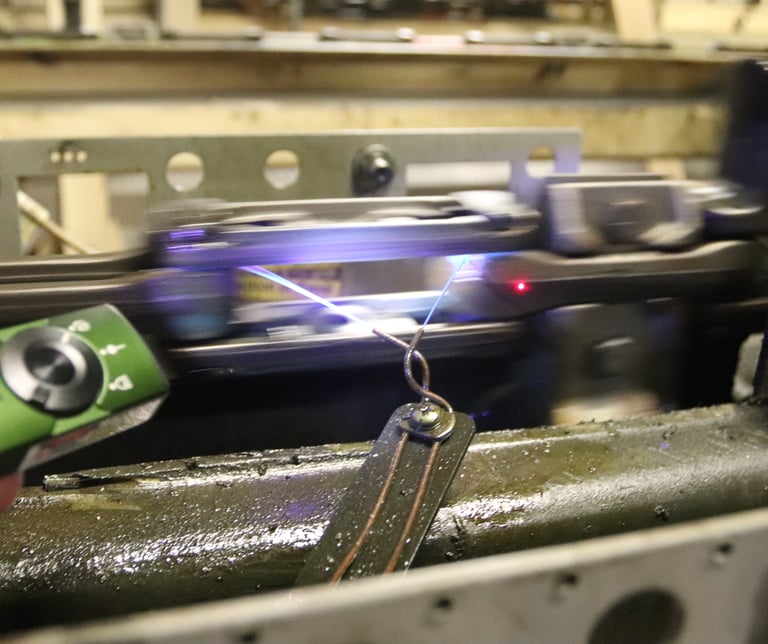
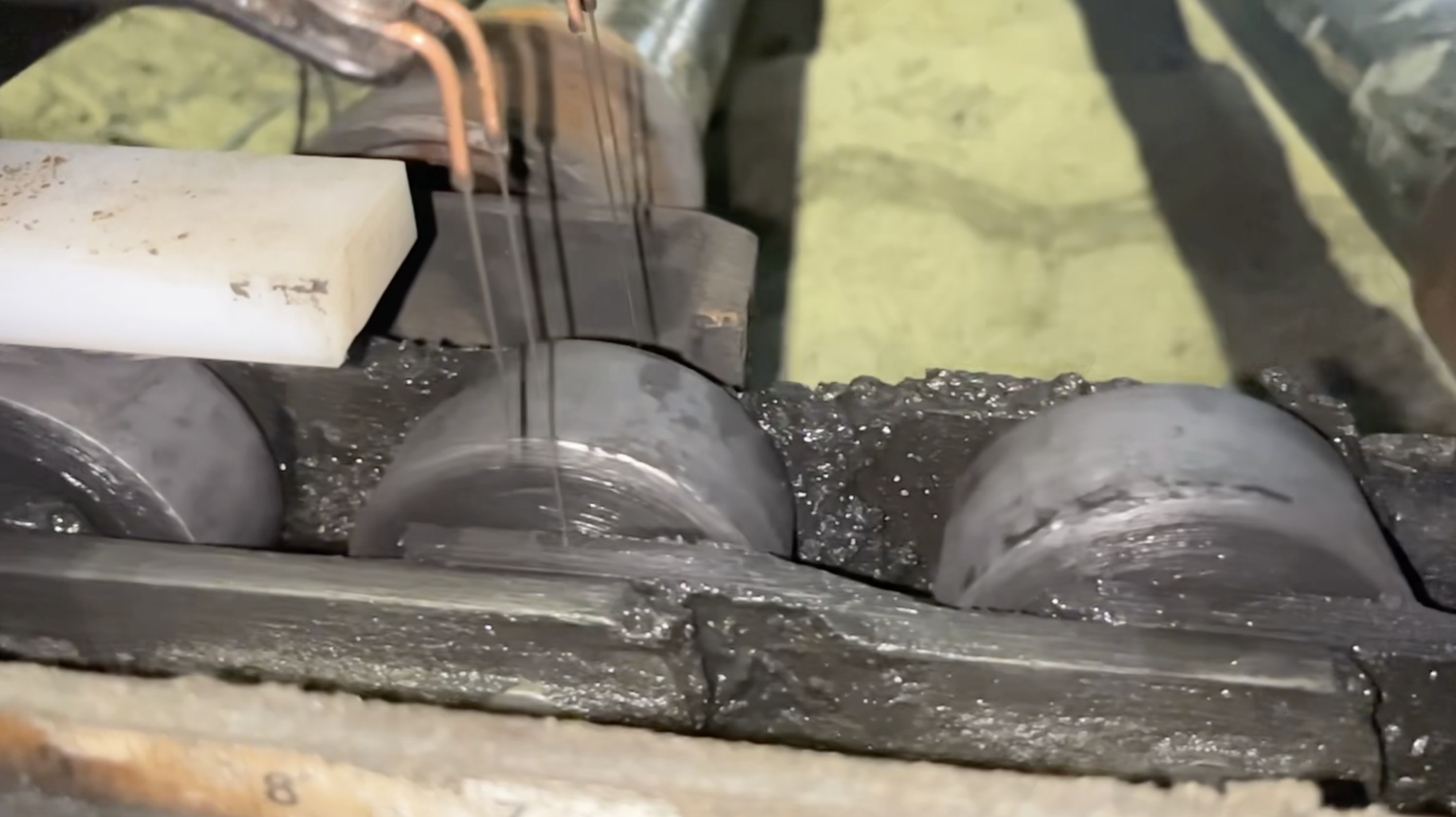
Automated conveyor chain lubrication systems reduce downtime by up to 60% while extending equipment life and cutting maintenance costs through precise, controlled application.
Conveyor chain lubrication represents one of the most significant factors influencing manufacturing reliability and equipment longevity. Manual lubrication approaches often result in inconsistent application, leading to accelerated wear, increased friction, and premature component failure. When lubricant is applied incorrectly - either in insufficient quantities or excessive amounts - conveyor chains experience uneven wear patterns that compromise performance and create unnecessary downtime.
The consequences of inadequate lubrication extend beyond individual components. Insufficient lubricant film thickness between chain pins and bushings generates metal-to-metal contact, increasing friction coefficients and energy consumption while accelerating wear rates. Conversely, excessive lubricant application creates operational challenges including contamination concerns, increased cleaning requirements, and unnecessary lubricant consumption that inflates operational costs without delivering performance benefits.
Precision lubrication addresses these challenges through controlled, consistent application that delivers the optimal amount of lubricant exactly where needed. Automatic conveyor lubrication systems apply lubricant at predetermined intervals based on actual operating conditions, ensuring each lubrication point receives precise coverage. This approach eliminates the variability inherent in manual methods while reducing lubricant consumption by 25-75% compared to traditional application techniques. The result is extended conveyor component life, reduced energy consumption, and improved manufacturing reliability across the entire production system.
Manual lubrication programs face inherent challenges that compromise conveyor reliability. Maintenance teams often apply lubricant based on time intervals rather than actual operating conditions, resulting in periods of inadequate lubrication during high-demand production cycles or unnecessary application during reduced operations. Human factors including scheduling conflicts, technician availability, and inconsistent application techniques introduce variability that undermines lubrication effectiveness.
Automatic lubrication systems eliminate these failure modes through systematic, programmable delivery. Single-line lubrication systems such as the Mighty-Luber and Wave-Lube provide cost-effective automation for individual conveyor lines, delivering precise lubricant shots at each lubrication point without manual intervention. These self-contained units operate autonomously, applying lubricant only as required and as programmed, ensuring consistent coverage regardless of production schedules or maintenance staffing levels.
For facilities operating multiple conveyor lines or complex material handling systems, multi-line lubrication systems deliver centralized control with enhanced flexibility. Systems like the Mighty Lube 2200L Series manage lubrication across numerous points from a single reservoir, providing programmable user interfaces that enable complete customization of application intervals, volumes, and timing. These systems incorporate flow sensing devices that detect lubrication line failures and activate alarms, preventing unlubricated operation that would cause rapid component degradation.
The choice between single-line and multi-line systems depends on facility complexity, conveyor configuration, and operational requirements. Single-line lubricators offer economical solutions for individual conveyors or smaller facilities, requiring only a 120VAC power source with minimal installation complexity. Multi-line systems provide comprehensive coverage for large manufacturing operations, featuring 5.5-gallon capacity reservoirs with lubricant level gauges, low-level audio alarms, and automatic pump motor start/stop circuits that ensure continuous operation. Both approaches eliminate the common lubrication mistakes that lead to premature wear and unexpected downtime, transforming lubrication from a potential failure point into a reliability advantage.
Traditional lubrication programs operate without feedback mechanisms, leaving maintenance teams uncertain whether lubrication systems function correctly or conveyors receive adequate coverage. This visibility gap forces facilities into reactive maintenance approaches, responding to failures after they occur rather than preventing them through proactive intervention. The absence of real-time data prevents optimization of lubrication parameters and delays identification of emerging issues until they manifest as costly breakdowns.
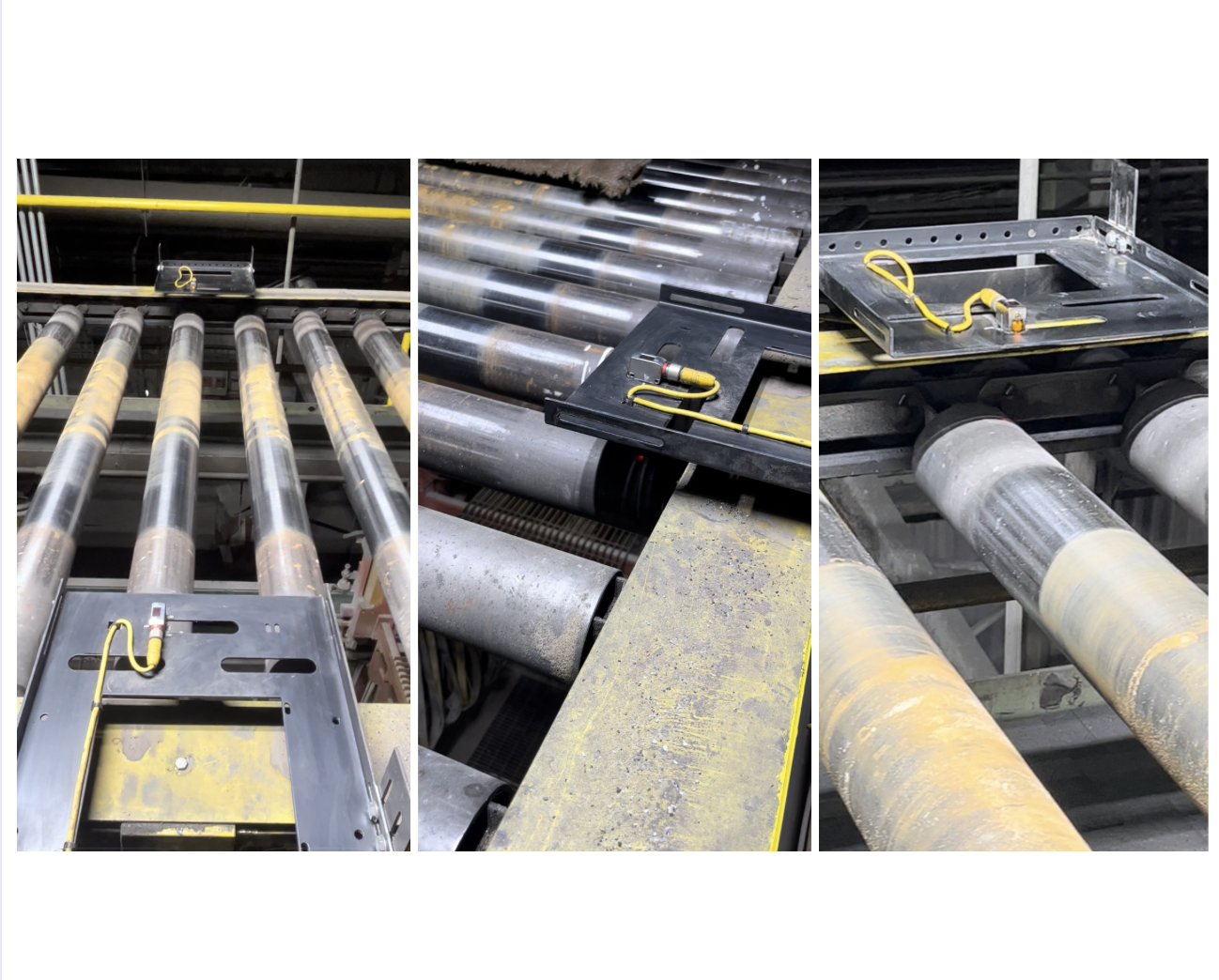
Advanced monitoring systems integrate with automatic lubrication equipment to provide continuous visibility into conveyor health and lubrication effectiveness. Microprocessor-based monitoring confirms lubrication cycles, tracks reservoir levels, and monitors system conditions that influence conveyor chain life. These systems collect and display vital conveyor health data, creating a smarter and more connected maintenance experience that enables data-driven decision making.
Real-time monitoring capabilities extend beyond lubrication verification to comprehensive conveyor performance analysis. Systems detect chain wear, identify elongation patterns, and recognize potential failures before they cause production interruptions. Advanced imaging processing provides high-quality visual monitoring of chains, detecting broken or cracked links with precision that exceeds manual inspection capabilities. This visual inspection enables identification of chain pitch variations, verification of lubrication contact, and tracking of missing or bent trolleys that compromise conveyor operation.
The integration of monitoring data with predictive analytics transforms maintenance scheduling from calendar-based intervals to condition-based interventions. Rather than performing maintenance at fixed intervals regardless of actual need, facilities respond to real equipment conditions indicated by monitoring systems. Alert notifications via email and on-screen displays inform maintenance personnel when conveyor conditions exceed established limits, enabling immediate corrective action. This predictive approach reduces total downtime frequency by 40-60% while extending equipment life through optimized maintenance timing that addresses issues before they escalate into failures.
The implementation of automatic conveyor lubrication systems delivers measurable improvements across multiple operational metrics. Facilities consistently report substantial reductions in mechanical chain failures, with automated lubrication reducing failure rates by 80% compared to manual lubrication programs. This dramatic improvement stems from consistent lubricant application that maintains proper lubrication film thickness, prevents metal-to-metal contact, and eliminates the periods of inadequate lubrication that occur with manual approaches.
Downtime reduction represents one of the most significant financial benefits. Automated systems with integrated monitoring reduce total downtime frequency by 40-60%, translating directly to increased production capacity and revenue. The elimination of unplanned maintenance events prevents cascade effects where single component failures halt entire production lines, creating costly delays that affect multiple departments and customer deliveries. Extended conveyor component life further reduces downtime by decreasing the frequency of scheduled maintenance intervals required for component replacement.
Lubricant consumption optimization generates ongoing operational savings. Precise, controlled application reduces lubricant usage by 25-75% compared to traditional methods, lowering material costs while eliminating the operational challenges associated with excessive application. The absence of lubricant overspray reduces cleaning requirements, minimizes contamination concerns in production environments, and creates safer working conditions by eliminating slippery surfaces near conveyor systems.
Labor efficiency improvements complement these direct cost savings. Automated lubrication systems free maintenance teams from repetitive lubrication tasks, enabling personnel to focus on higher-value activities including predictive maintenance analysis, process optimization, and equipment reliability improvements. The reduction in manual lubrication requirements is particularly significant for facilities operating multiple shifts or extensive conveyor networks, where manual lubrication programs demand substantial labor resources. When combined with reduced emergency maintenance calls and extended equipment life, automated lubrication systems typically deliver return on investment within months of implementation while providing ongoing operational advantages that compound over time.
Successful implementation of automatic conveyor lubrication begins with comprehensive assessment of existing conveyor systems, lubrication practices, and operational requirements. Facilities must evaluate conveyor configurations, identify critical lubrication points, and determine appropriate system architecture based on plant layout and maintenance objectives. This assessment phase establishes baseline performance metrics that enable measurement of improvement following system implementation.
System selection depends on facility-specific factors including conveyor types, environmental conditions, and operational demands. Single-line lubricators provide appropriate solutions for individual conveyors or facilities transitioning from manual lubrication, offering economical automation with minimal installation complexity. These self-contained units fit all major monorail I-beam and enclosed track style conveyors including Richards-Wilcox, Unibilt, and Rapid configurations, ensuring compatibility across diverse equipment populations.
Facilities with multiple conveyor lines or complex material handling systems benefit from centralized multi-line lubrication systems that provide comprehensive coverage with unified control. These systems feature fully programmable interfaces that enable customization of lubrication parameters for each point, accommodating varying operational demands across different production areas. The integration of monitoring capabilities provides visibility into lubrication performance and conveyor health, establishing the foundation for predictive maintenance programs that optimize reliability.
Lubricant selection represents a critical implementation consideration that significantly influences system performance. Industrial conveyors operate under demanding conditions including temperature extremes, moisture exposure, and contamination challenges that require specialized lubricant formulations. Mighty Lube produces industrial lubricants specifically engineered for conveyor chain applications, providing superior performance in harsh environments while maintaining compliance with industry-specific requirements including FDA and NSF standards for food processing facilities.
Long-term reliability depends on proper system integration with existing maintenance programs and continuous optimization based on operational data. Maintenance teams require training on system operation, parameter adjustment, and interpretation of monitoring data to maximize system effectiveness. The establishment of standard operating procedures for system maintenance, reservoir refilling, and response to alert conditions ensures consistent operation and prevents neglect that could undermine system benefits. Regular review of monitoring data enables refinement of lubrication parameters, identification of emerging issues, and validation that systems continue delivering expected performance improvements. This systematic approach transforms lubrication from a routine maintenance task into a strategic reliability advantage that reduces costs, extends equipment life, and enhances manufacturing competitiveness.